BDS - bdsmovement

EN
What is BDS?
Overview
Boycott, Divestment, Sanctions (BDS) is a Palestinian-led
movement for freedom, justice and equality. BDS upholds the simple
principle that Palestinians are entitled to the same rights as the rest
of humanity.
Israel is occupying and colonising Palestinian land, discriminating
against Palestinian citizens of Israel and denying Palestinian refugees
the right to return to their homes. Inspired by the South African
anti-apartheid movement, the BDS call urges action to pressure Israel to
comply with international law.
BDS is now a vibrant global movement made up of unions, academic
associations, churches and grassroots movements across the world. Since
its launch in 2005, BDS is having a major impact and is effectively
challenging international support for Israeli apartheid and
settler-colonialism.
Ongoing injustice
For nearly seventy years, Israel has denied Palestinians
their fundamental rights and has refused to comply with international
law.
Israel maintains a regime of of settler colonialism, apartheid and occupation
over the Palestinian people. This is only possible because of
international support. Governments fail to hold Israel to account, while
corporations and institutions across the world help Israel to oppress
Palestinians.
Because those in power refuse to act to stop this injustice, Palestinian
civil society has called for a global citizens’ response of solidarity
with the Palestinian struggle for freedom, justice and equality.
What are Boycotts, Divestment and Sanctions?
The call for Boycott, Divestment and Sanctions
In 2005, Palestinian civil society organisations called for boycotts, divestment and sanctions (BDS) as a form of non-violent pressure on Israel.
The BDS movement was launched by 170 Palestinian unions, refugee
networks, women’s organisations, professional associations, popular
resistance committees and other Palestinian civil society bodies.
Inspired by the South African anti-apartheid movement, the Palestinian
BDS call urges nonviolent pressure on Israel until it complies with
international law by meeting three demands:
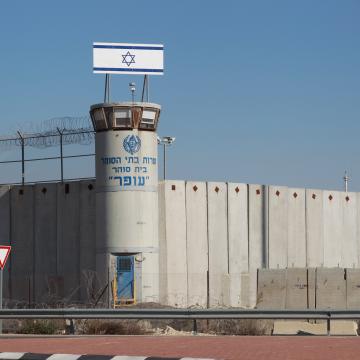
- Ending its occupation and colonization of all Arab lands and dismantling the WallInternational law recognises the West Bank including East Jerusalem, Gaza and the Syrian Golan Heights as occupied by Israel. As part of its military occupation, Israel steals land and forces Palestinians into ghettos, surrounded by checkpoints, settlements and watchtowers and an illegal apartheid Wall. Israel has imposed a medieval siege on Gaza , turning it into the largest open air prison in the world. Israel also regularly carries out large-scale assaults on Gaza that are widely condemned as constituting war crimes and crimes against humanity.
 Qalandiya Checkpoint in the West Bank in 2009 (Anne Paq/Activestills).
 - Recognizing the fundamental rights of the Arab-Palestinian citizens of Israel to full equalityOne-fifth of Israel’s citizens are Palestinians who remained inside the armistice lines after 1948. They are subjected to a system of racial discrimination enshrined in more than 50 laws that impact every aspect of their lives. The Israeli government continues to forcibly displace Palestinian communities in Israel from their land. Israeli leaders routinely and openly incite racial violence against them.
 Protest against the 2014 attack on Gaza in Haifa, Israel (Oren Ziv/Activestills).
 - Respecting, protecting and promoting the rights of Palestinian refugees to return to their homes and properties as stipulated in UN Resolution 194Since its violent establishment in 1948 through the ethnic cleansing of more than half of the indigenous people of Palestine, Israel has set out to control as much land and uproot as many Palestinians as it can. As a result of this systematic forced displacement, there are now more than 7.25 million Palestinian refugees. They are denied their right to return to their homes simply because they are not Jewish.
 Palestinian refugees in Lebanon marching for their right to return (Matthew Cassel/Activestills).
BDS is an inclusive, anti-racist human rights movement that is opposed on principle to all forms of discrimination, including anti-semitism and Islamophobia.
A global movement
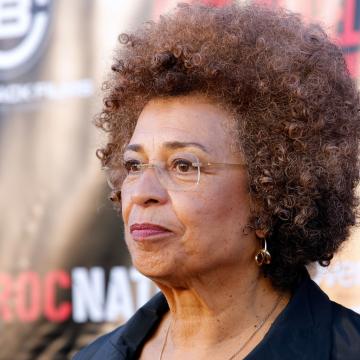
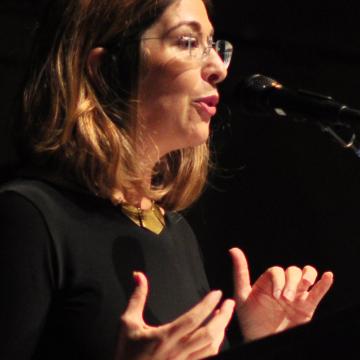
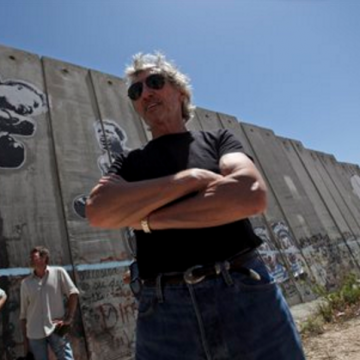
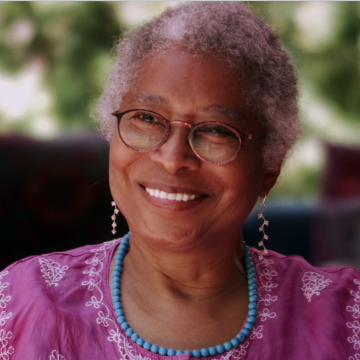
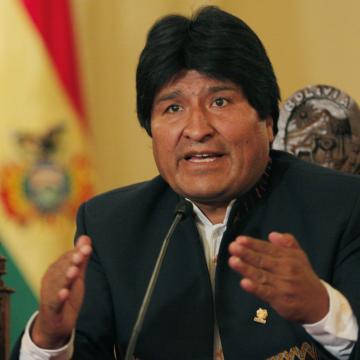
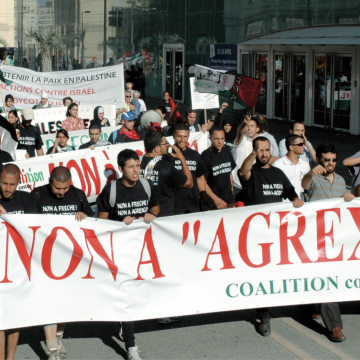
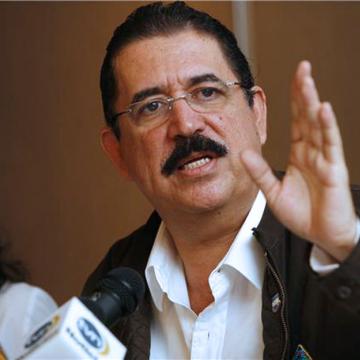
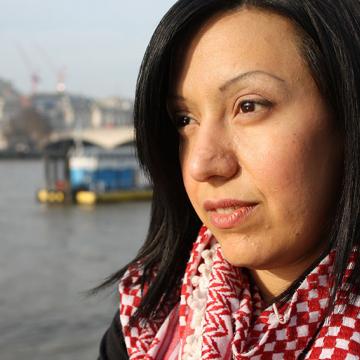
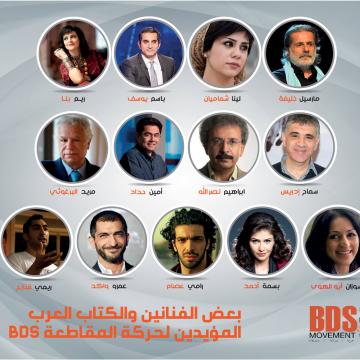
Public figures including Archbishop Desmond Tutu, Naomi Klein, Roger Waters, Angela Davis and Judith Butler back BDS. The slider below features just a small selection of the movement's supporters.





















Growing Impact


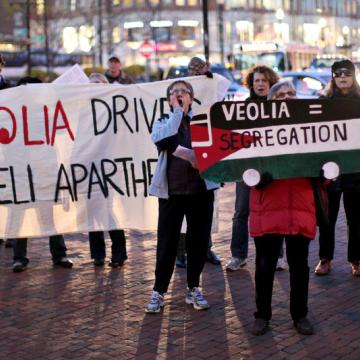



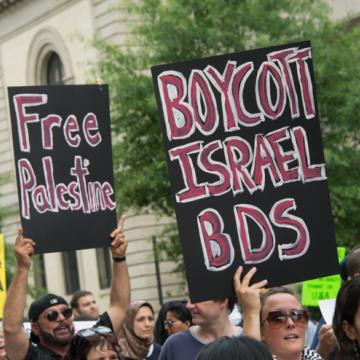
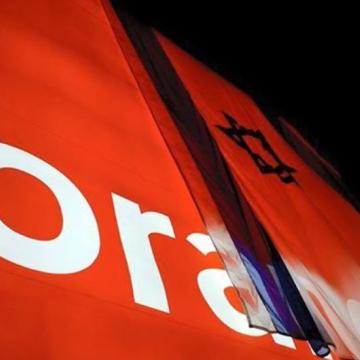

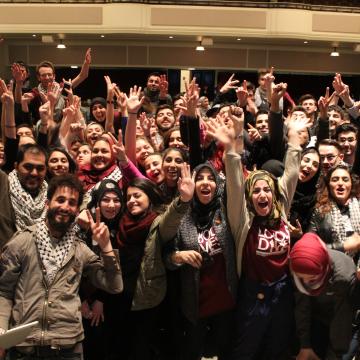




BDS campaigns also raise awareness about how Israel oppresses the Palestinian people.
The growth and success of the BDS movement sends a clear message to Palestinians and to world governments that people around the world are increasingly unwilling to accept Israel’s oppression of Palestinians.
To contribute to the growing impact of the global BDS movement in the struggle for Palestinian freedom, justice and equality, check out our Get Involved section.
Get Involved
